
Why the El Paso Airspace Shutdown Shouldn’t Be Overlooked
By Maggie Crisp
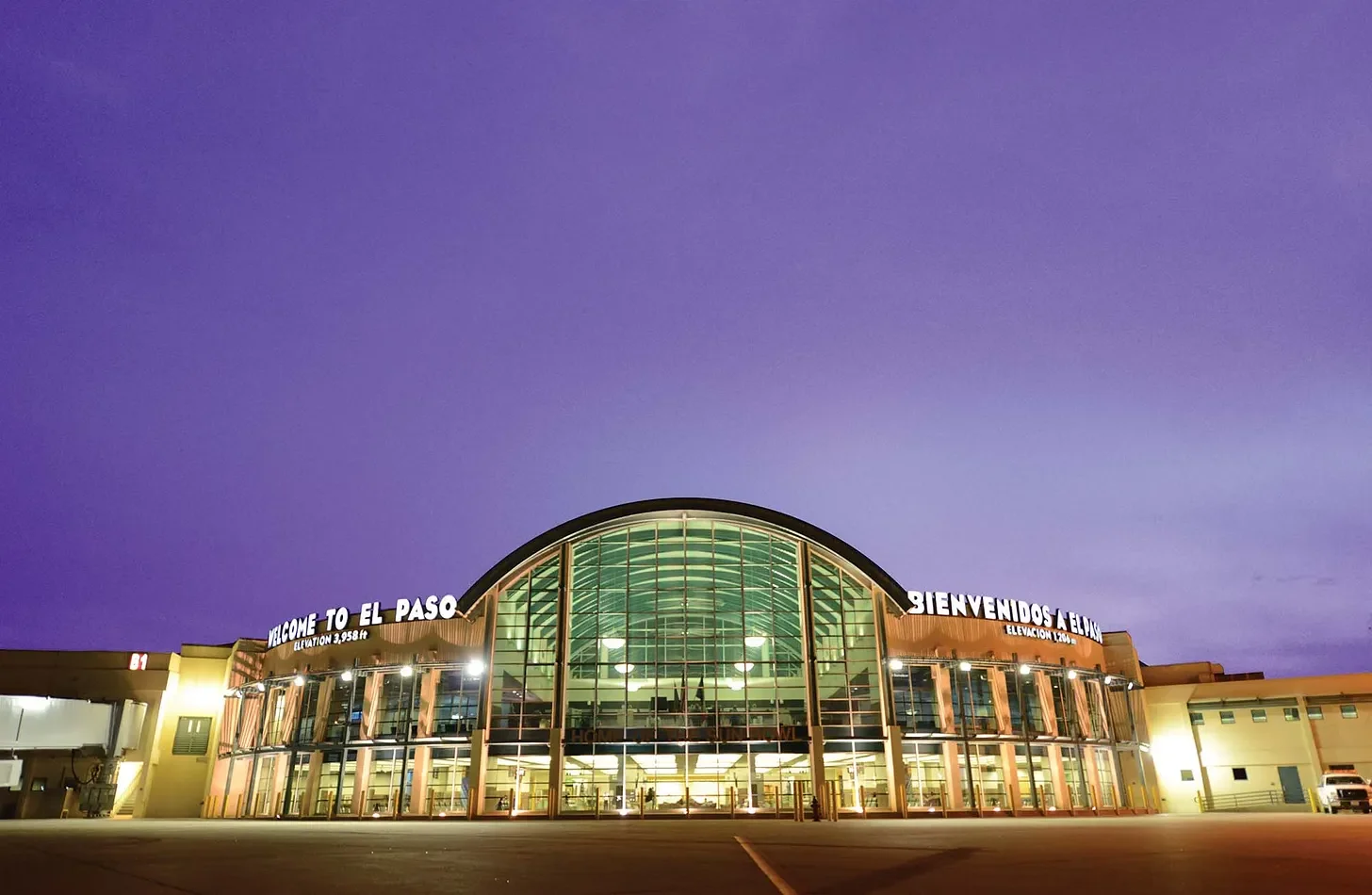
Stars dot the clear night sky of the serene desert landscape. Sharp mountains envelop the West Texas town of El Paso. The serene evening is interrupted when the El Paso International Airport shudders to a halt on February 10th, 2026.
The Federal Aviation Administration (FAA) issued a complete airspace closure and ground stop for a whopping 10 days, which is unprecedented since the 9/11 terror attacks. Panic ensued, with flights being diverted last minute, even including emergency and medical aircraft.
The radius of the closure was ten nautical miles wide, which is significant because El Paso sits at the intersection of Texas, New Mexico, and Mexico. As the translation of its name implies, El Paso is “the pass of the north.” The city sits directly along the Mexican border, with Ciudad Juarez as its twin. The cities are so close that it is almost difficult to tell where one ends and the other begins.
The following morning, the FAA lifted the order as suddenly as it had been placed. By this time, 14 flights had been canceled. El Paso International is a hub for the rural communities surrounding it. For equivalent flights, many people would have been forced to drive 4 hours to the Albuquerque Sunport, 5 hours to the Midland/Odessa Airport, or 6 hours to the Phoenix SkyHarbor.
Furthermore, the El Paso International Airport sits directly across from the Fort Bliss military base and the Biggs Army Airfield. Initially, the reason that the Trump Administration cited for the closure was that the U.S. shot down a drone from a Mexican cartel. There have been past instances of cartels utilizing drones, so this reason appeared very plausible.
However, it was later announced that the alleged drone was actually a party balloon. The irony of this was quickly made fun of on social media.
Even more conflicting reports emerged, saying that the shutdown was caused by testing of the military’s new laser technology. The White Sands Missile Range and Holloman Airforce Base are located directly north of El Paso in New Mexico, both of which have been known for their sophisticated laser systems.
The fact that there was immense confusion among not only citizens and airline operators, but even the officials themselves show the dangerous nature of this shutdown.
Ten days later on February 20th, Transportation Secretary Sean Duffy said in a press conference that he plans to brief Congress on the abrupt shutdown, and would not answer any questions until after that time.
It is stunning that there are still no clear answers about why this happened. There is no date for when answers may be given. While this is likely a matter of national security, some level of transparency is deserved.
It remains unclear what precautions are in place to protect nearby communities and travellers. We have no real idea if there was actually a threat, how severe it was, or if it could happen again.
According to the GV Wire, the FAA and Pentagon were at odds over the new laser system being deployed at the border, particularly after the fatal crash last year over Washington, D.C.
“In one email, dated Feb. 6, the FAA’s top lawyer warned a Pentagon official that deploying the laser system without restricting flights created “a grave risk of fatalities or permanent injuries” to Americans traveling through that airspace.”
Later in February, the military reportedly used lasers to shoot down yet another drone- one belonging this time to Customs and Border Protection.
Such miscommunication has the potential to be extremely dangerous. This lack of clarity is unacceptable.
Worst of all - the media cycle has moved on. Who will ask the important questions a few months from now and who will listen?