The Process is the Punishment: How Trump Uses Presidential Power Against the Press
By Fiona Murphy
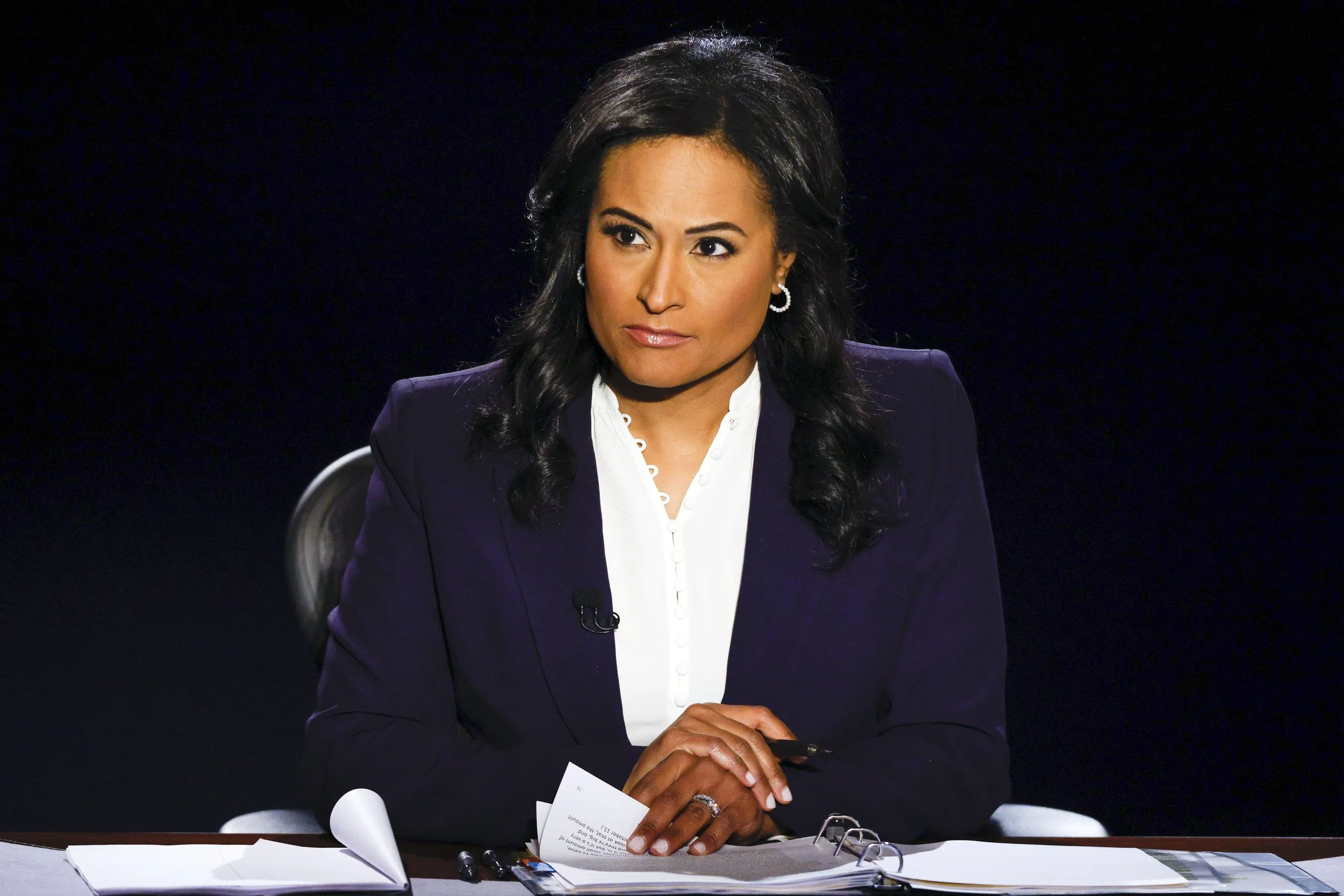
Kristen Welker from Meet The Press is the newest victim of President Donald Trump’s media intimidation ritual. During a live segment on August 30th, Welker described the success record of candidates endorsed by Trump in the midterms as “mixed.” Not long after Trump took to Truth Social to straighten out the issue, insisting his record of endorsements is, “without question, the strongest endorsement in the History of Politics.” He went on to threaten to report Welker to the Federal Communications Commission for a “rebuke or punishment.”
This is not an isolated incident. The Trump administration has a long track record of threatening media organizations and journalists whose reporting conflicts with his best interest. ABC in particular has been under consistent attack from the administration. The FCC ordered an unusually early review of the licenses of eight Disney-owned ABC stations following a controversial monologue joke from late night host Jimmy Kimmel. ABC subsequently sued the FCC arguing that the review violated their First Amendment rights. The FCC says the review is based on regulatory concerns and has denied infringement on constitutional rights.
The media is an independent institution and thus the government and FCC has functional limitations on what they are able to control. One of the most important functions of the press is to act as an additional check on political authority. But what happens when the president has the ability to pressure the institutions responsible for holding him accountable?
Presidential Power and the Power to Persuade
Neustadt argues in Presidential Power and Modern Presidents that presidential power is largely the power to persuade. The system of checks and balances makes it so that the president cannot simply order other institutions to do whatever they want, instead they must convince other actors to cooperate. Neustadt’s argument is not that the president is powerless, but that their ability to influence others often comes from reputation, bargaining advantages, and the expectations of other political actors.
The case of Trump and the media provides an interesting caveat to this. The media is an important political actor and check on authority, and Trump has begun to expand his executive power into trying to control them. What happens when a president attempts to control an independent institution?
While he may not have the enumerated powers necessary to dictate what the media reports, he has accumulated the power of intimidation to indirectly influence what gets reported. This is called the chilling effect, which is a situation in which reporters stop exercising their constitutional rights because they fear government consequences.
What are these consequences? While the executive has expanded greatly since the conception of the constitution, Trump can’t lawfully punish reporters because he dislikes their reporting. What he can do is create a costly and dreadful process which acts as a punishment. Taking networks to court, issuing subpoenas, and blasting reporters on social media are all things within executive power which averts individuals from doing things that could potentially set Trump off. Even when the government ultimately loses a legal challenge or does not impose a formal punishment, the process itself can consume time, money, and attention that media organizations don’t want to risk.
From Nixon to Trump: Making The Press the Villain
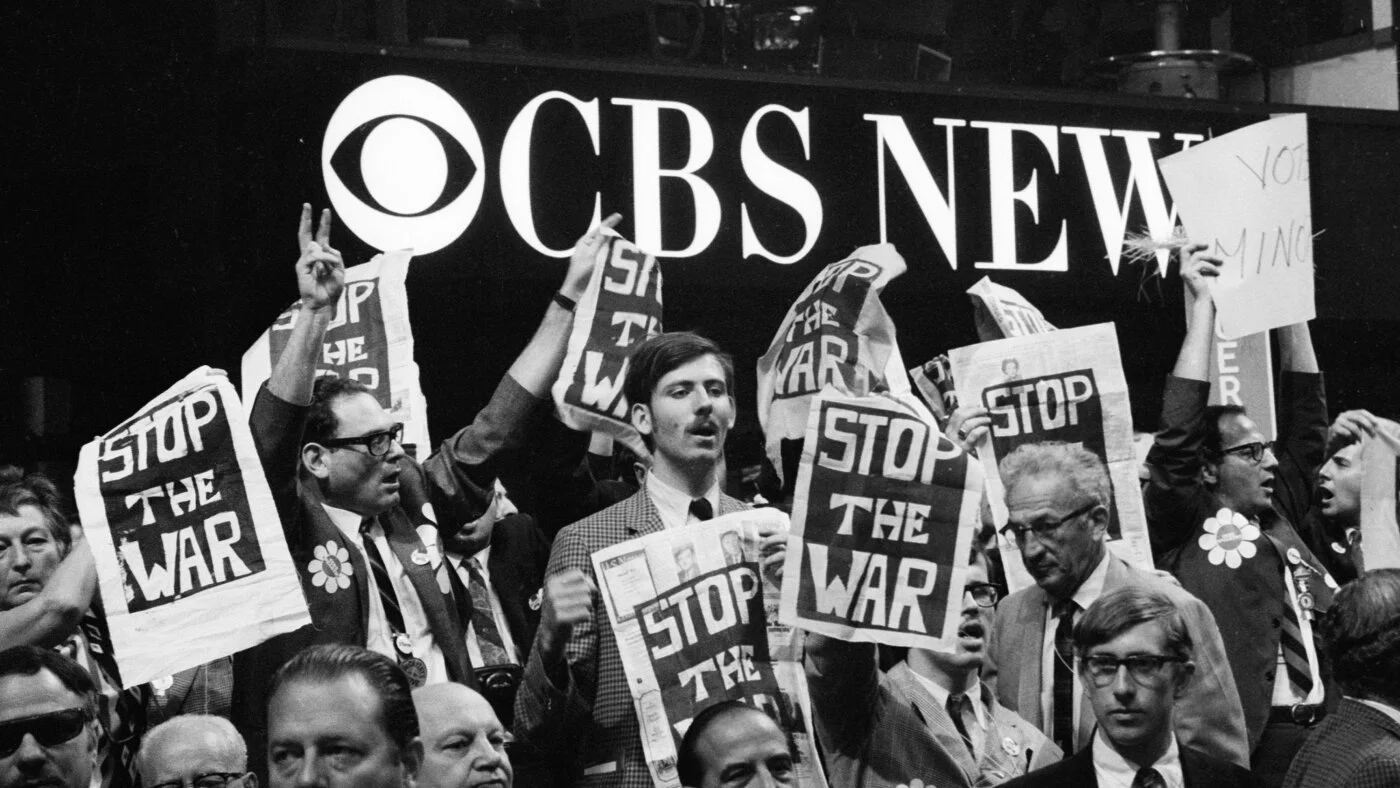
Schlesinger discusses a similar phenomenon in which Nixon attempted to discredit and weaken the press during his presidency. By framing them as an elitist, biased, and out of touch with everyday Americans, Nixon aimed to protect his administration from critical reporting regarding the Vietnam War and Watergate. Schlesinger’s broader argument in The Imperial Presidency was that presidential power could expand beyond its traditional constitutional boundaries, particularly when presidents found ways to weaken institutional checks.
GettyImages
In some way, this set a precedent for Trump to continue to attack the media whenever they report what he regards as “fake news.” Schlesinger argues that every president “reconstructs” the presidency according to their own personality and psychological needs while building off the expansions of presidents before. Throughout Trump administration 1 and Trump administration 2, Trump has increasingly strengthened the iron fist he holds over the press. Some argue that he has taken it to an extreme, mirroring authoritarian leaders more than former U.S. presidents.
The Process is the Punishment
So while the constitution protects freedom of the press, constitutional protections don’t ensure that institutions are immune from political pressure. A president doesn’t necessarily have to successfully censor a journalist or revoke a network’s license to create pressure. The possibility of investigation, regulatory scrutiny, or continued public attacks can become an unnecessary burden for media organizations.
The question then becomes what happens when the power of the presidency is used to make journalists and media organizations think twice before speaking? A free press depends not only on having constitutional rights on paper, but also on whether the people exercising those rights feel able to use them without fear of government retaliation.